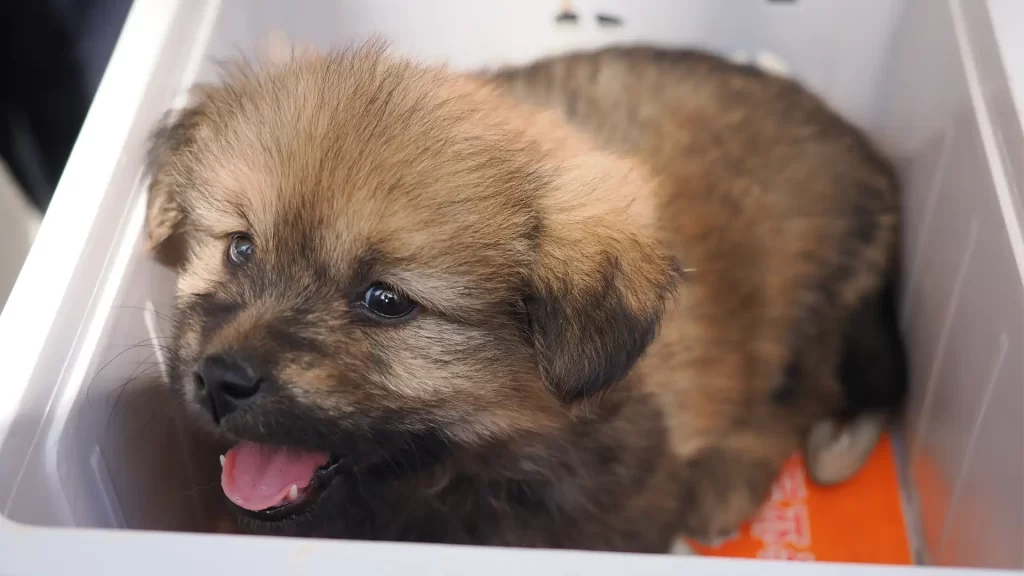
From the perspective of a puppy, those early months are full of boundless energy, endless curiosity, and a world overflowing with new sights, smells, and friends—both human and animal. Every day is a new adventure, bursting with opportunities to play, explore, and learn. On the other hand, for Puppy Parents, these days are defined by the presence of an adorable, affectionate, and dependent little “baby” that constantly seeks attention and comfort. Still, this joyful period can come with its share of challenges: whining, barking, sleepless nights, sharp puppy teeth, chewed-up belongings, accidents on the floor, and a seemingly never-ending need for supervision and training.
These contrasting points of view—one from the exuberant puppy and one from the devoted parent—must eventually come together in harmony for that legendary “man’s best friend” bond to truly form. With persistence, a consistent routine, plenty of training, heaps of patience, and a generous sprinkle of love, the initial misalignment between puppy and parent will gradually fade, giving way to a lasting, unbreakable friendship.
Bringing a new puppy home is usually an exhilarating and joyful experience for both the puppy and its new family. Suddenly, there’s a fluffy, playful, affectionate, and inquisitive little companion dashing around the house, discovering something new every moment. However, it’s also common for puppies to feel homesick, missing their mother, littermates, and the familiar comforts of their first home. This phase can be stressful, but it doesn’t last forever; before long, the chaos, disrupted routines, and lost sleep give way to a well-behaved dog, a loyal friend, and a cherished family member you can’t imagine life without.
This Guide for First Time Puppy Parents is here to ease your anxieties and help you transition smoothly into puppy parenthood. We’ll cover everything from practical supplies and training routines to common puppy issues and how to handle them. By the end, you’ll feel confident about welcoming your new fluffy family member and helping them grow into a happy, healthy, and valued member of your family.
1. Essential Supplies
Stock Up on Supplies
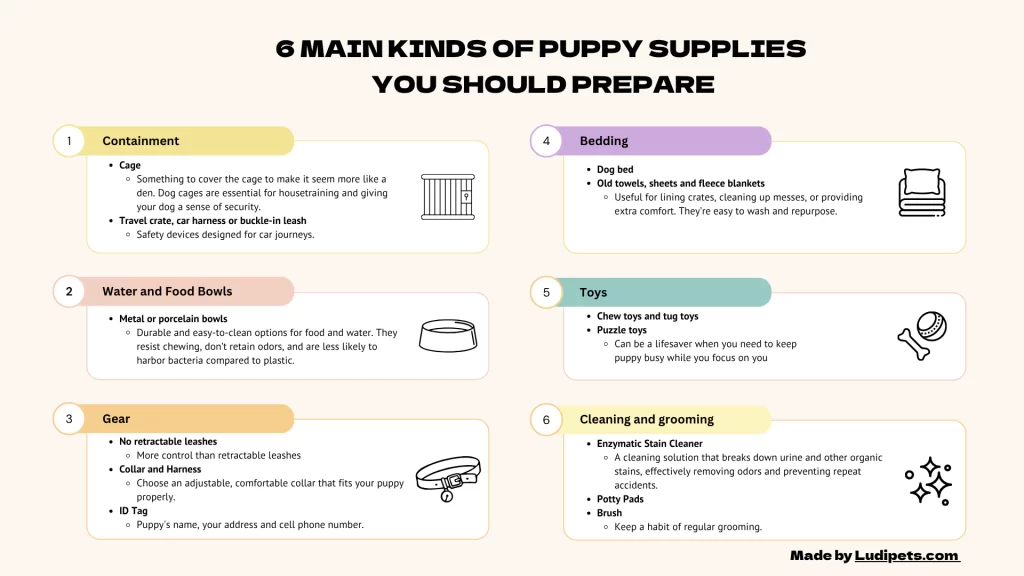
Before your puppy arrives, make sure you have all essential supplies ready.
If your puppy is a large breed, remember they’ll grow faster than you can blink, and items like collars, harnesses, and beds might need frequent upgrades during the first year.
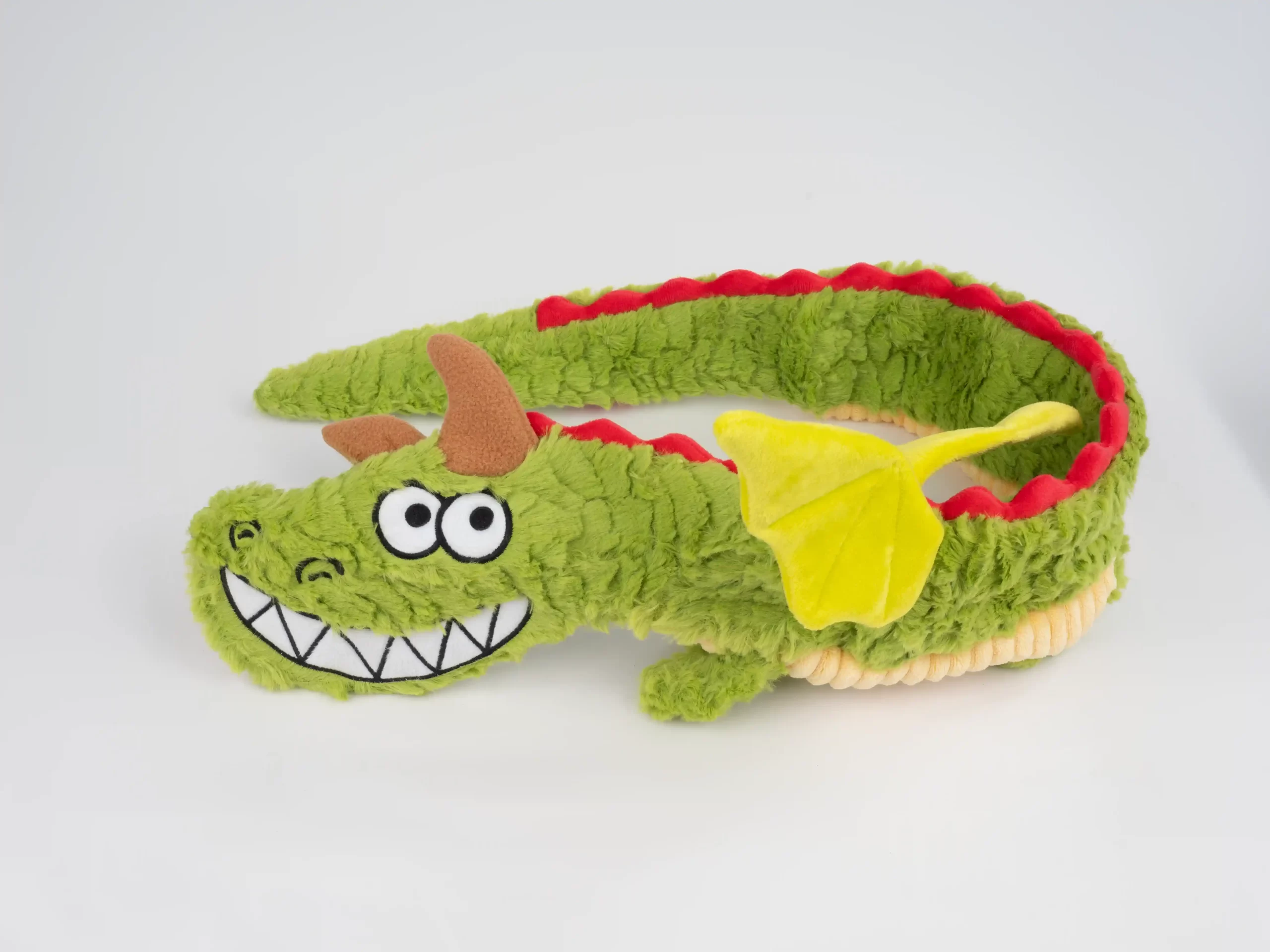
I highly recommend getting your new puppy a dedicated plush toy to serve as their very first companion. A soft friend can work wonders for easing separation anxiety, especially during the first few nights.
-
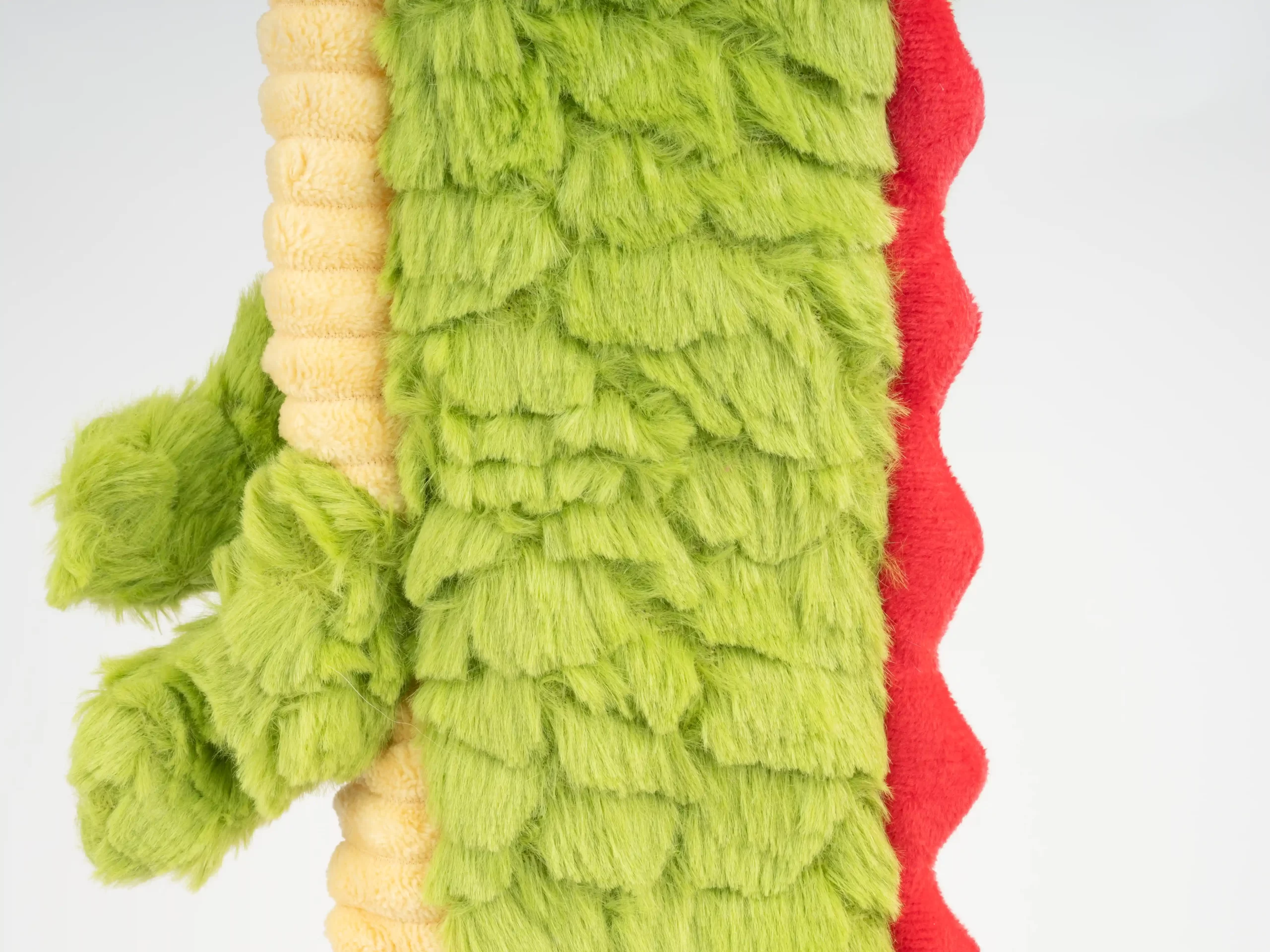
Dragon Dog Toy – Plush & Tug Toy for All Size
$16.99 – $27.99Price range: $16.99 through $27.99 Select options This product has multiple variants. The options may be chosen on the product page
-
Sasquatch Dog Toy – Tug & Plush Toy
$15.99 Select options This product has multiple variants. The options may be chosen on the product page
-
Octopus Dog Toy – Plush & Tug Toy
$17.99 Select options This product has multiple variants. The options may be chosen on the product page
Our Octopus Dog Toy, Sasquatch Dog Toy and Dragon Dog Toy are crafted from premium, non-shedding fabric, making it both safe and durable. Over time, it will absorb your scent, providing a constant source of comfort that helps your puppy feel secure. It’s designed to be a cherished friend that they can grow up with—you’ll love watching them groom, cuddle, and play with it for years to come.
2. Puppy Training Exercises You Should Do
Training your puppy from day one not only helps them become well-behaved but also creates a strong bond between you and your new companion:
Potty Training
Consistency is essential. Choose a specific spot outside for your puppy to use, and stick to a regular schedule. Take your puppy out frequently, especially right after meals, playtime, naps, and first thing in the morning. Whenever your puppy goes in the right place, shower them with praise and treats. Remember to be patient; it can take several weeks or even months for a puppy to fully master this skill, but with time and encouragement, they’ll get there.
Crate Training
Crate training offers many benefits for puppies, especially when it comes to potty training. Because dogs naturally prefer to keep their sleeping area clean, a crate helps your puppy learn to hold it until the right time and place. Puppies are often smarter than we think—they quickly figure out when and where they’re supposed to go, and they love earning rewards for getting it right.
Set a Regular Feeding Schedule
A consistent feeding routine helps regulate your puppy’s digestion and makes potty training easier. Feed your puppy at the same times each day, usually three to four small meals initially, gradually reducing to two meals as they grow.
Teach Your Puppy to Play with Toys
Your puppy will chew—it’s inevitable. Training them early to differentiate between toys and household items can save your furniture (and sanity!). Introduce various textures and shapes to determine their favorites. Redirect inappropriate chewing immediately by offering an approved toy, followed by praise when they engage correctly.
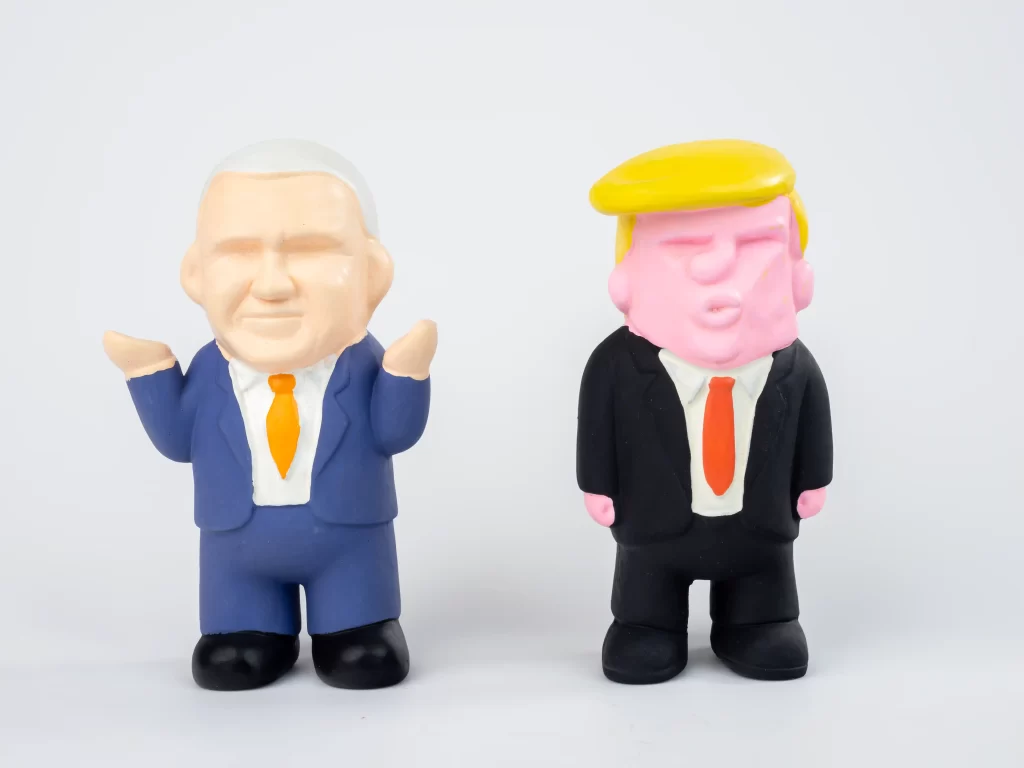
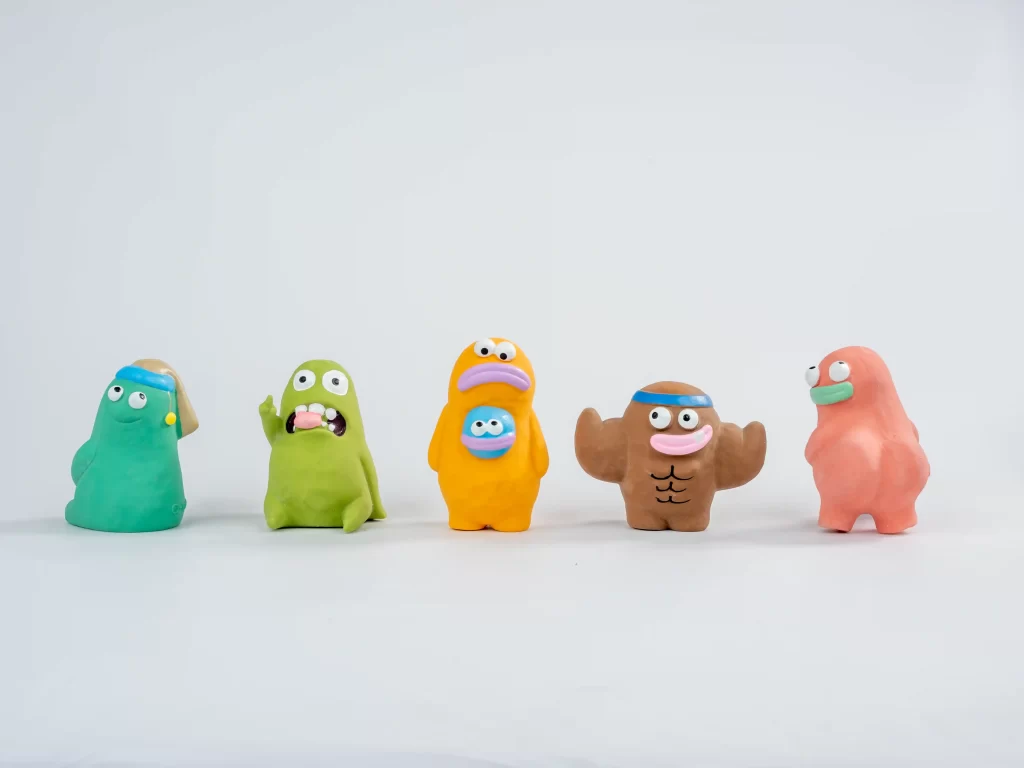
This latex squeaky toy is a perfect example. Its vibrant colors and fun shape are designed to capture your puppy’s attention instantly. Best of all, it’s perfectly sized to fit right into a puppy’s mouth, making it easy to carry, squeak, and love!
Discourage Jumping Early On
Puppies naturally jump to greet people. While this energetic welcome can feel novel and heartwarming at first, allowing your puppy to jump up on people can quickly develop into an undesirable habit over time. Teach your puppy from day one to greet calmly. When your puppy jumps on you or anyone else, **turn away** and avoid eye contact. Rewarding them with attention only when all four paws are firmly on the ground. Consistency helps them quickly understand that polite greetings earn them more affection than jumping ever could.
3. Puppy Problems and Solutions
Even the best-prepared puppy parent encounters some challenges. Here are some common issues and practical solutions:
Separation Anxiety
Puppies often experience anxiety when left alone, leading to barking, whining, or destructive chewing. Crate training can significantly reduce anxiety by giving your puppy a safe, comforting “den.” Gradually extend the periods you leave them alone, starting from a few minutes and increasing slowly. Keep departures and arrivals calm and low-key, avoiding overly emotional goodbyes or greetings.
Puppy Blues
“Puppy blues” refers to the difficult emotions and challenges that some new puppy owners face shortly after bringing a puppy home. Once the initial excitement of having a cute, playful companion fades, many people—especially first-time dog owners—may start to feel stressed, isolated, and unsupported.
Biting, chewing, barking, accidents in the house… All of this can leave you feeling overwhelmed, anxious, or even frustrated with your puppy. Please know that these feelings are completely normal—almost every dog parent goes through a challenging phase like this. Remember, you are a responsible and wonderful pet parent, and you’re not alone. With patience and the right strategies for things like biting or separation anxiety, your puppy will gradually learn to care for you, just as you care for them. Trust that this difficult period will pass, and things will get better.
Correcting Your Puppy’s Mistakes
Puppies will naturally push boundaries and test limits. The key is immediate and gentle correction. If your puppy makes a mistake (like chewing something they shouldn’t), calmly interrupt the behavior with a firm but gentle “No,” then provide a proper alternative immediately. Timing and consistency are crucial—your puppy will quickly learn what behaviors are acceptable if corrected gently and instantly.
Final Thoughts: You’ve Got This!
Welcoming a new puppy into your home is a joyful and rewarding experience, but it can also come with its share of challenges in the first days, weeks, or even months. The tips above are designed to help you guide your puppy through this transition, setting them up to become a healthy, well-behaved, and friendly member of your family. Puppyhood is an adorable and precious stage—but it passes quickly. Make the most of this special time by applying as many of the suggestions as you can, and don’t forget to capture and cherish the memories along the way.